

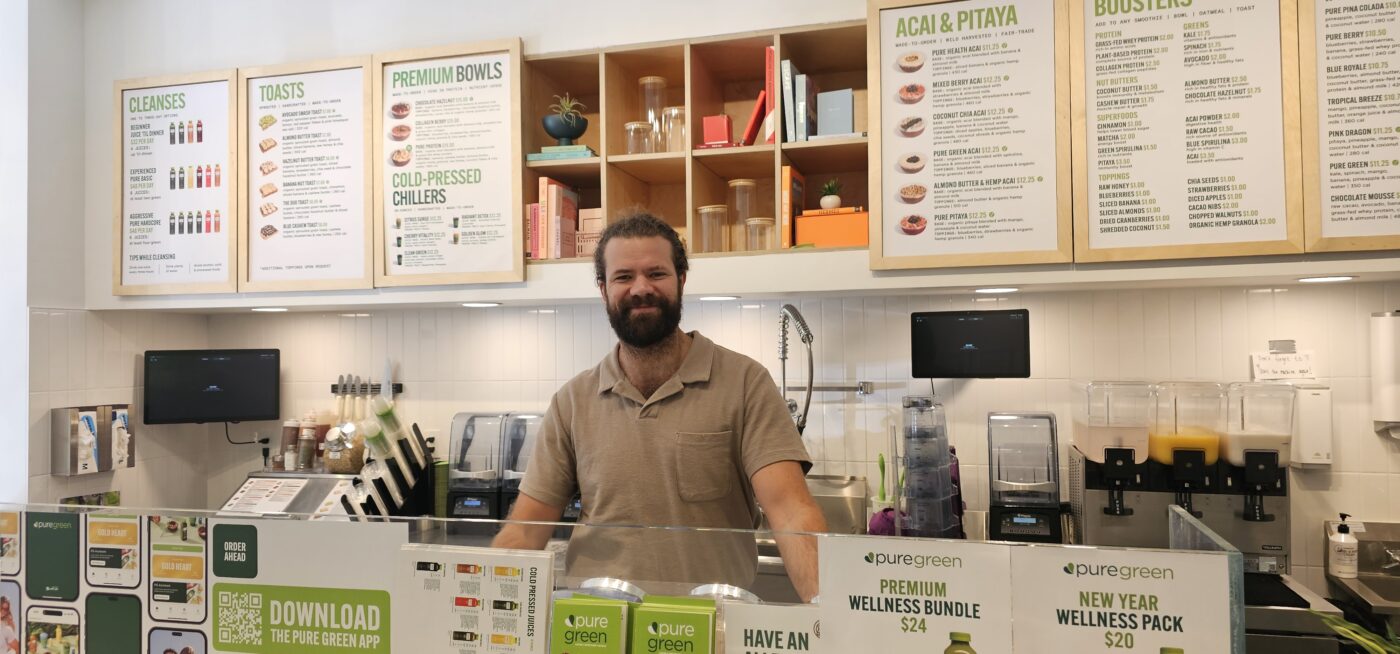
St. Petersburg has no shortage of great food spots—but every so often, a place opens that feels different. Not just because of what’s on the menu, but because of the person behind the counter and the intention behind the business.
Pure Green in downtown St. Pete is one of those places.
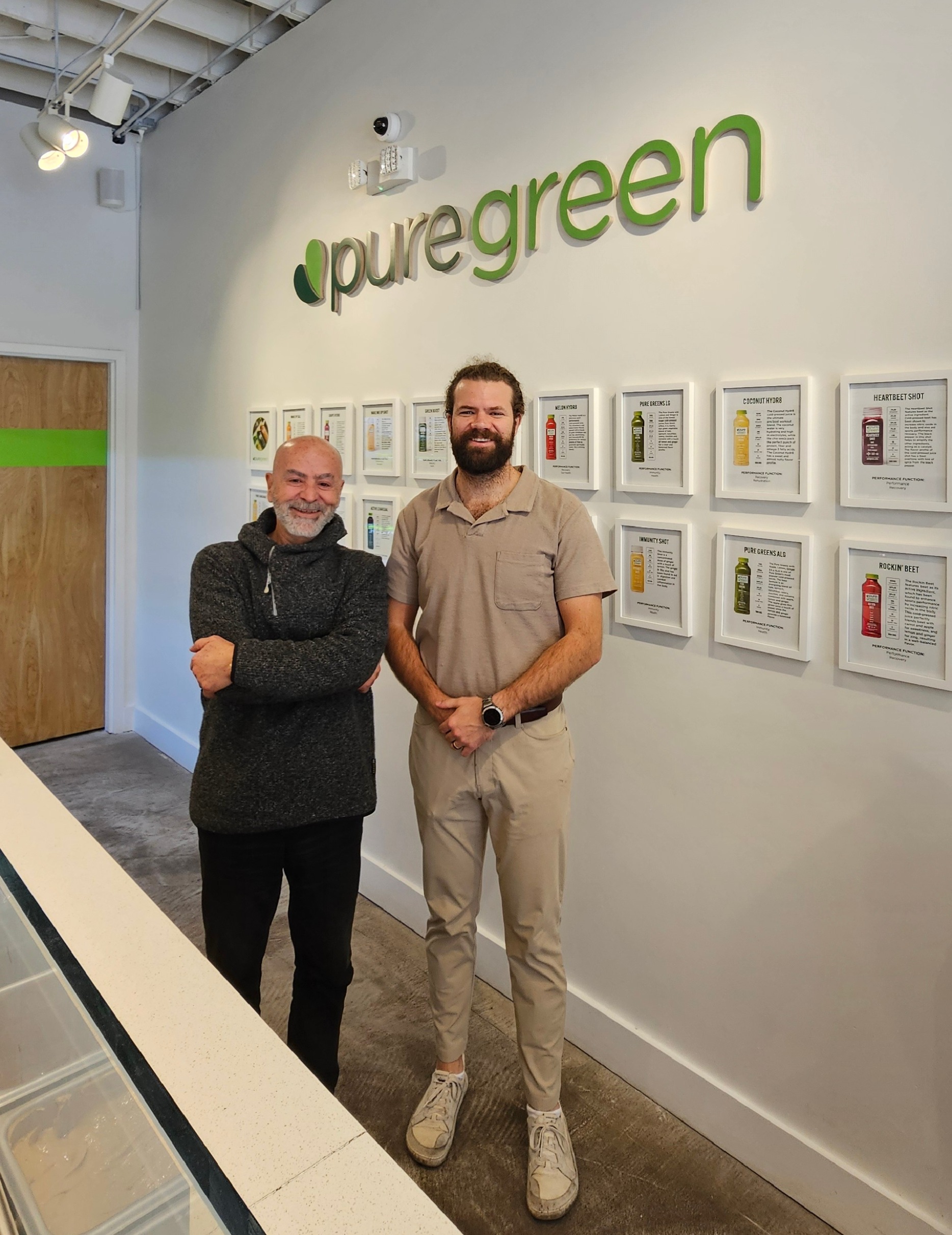 At the center of it is Russell Browning Jr., a local owner whose journey into business wasn’t driven by trend-chasing or formulas, but by personal alignment. A long-standing passion for healthy living, time spent in places where food culture and lifestyle go hand in hand, and a deep appreciation for community all converged at the right moment—and in the right city.
When Russell arrived in St. Pete, he noticed something important: despite the city’s walkability, wellness culture, and active lifestyle, there was a gap. The kind of clean, high-quality, thoughtfully run concept he gravitated toward simply didn’t exist downtown. Pure Green wasn’t just an attractive brand—it fit the city, the moment, and his own values.
Today, Pure Green is more than a smoothie and açaí destination (though it quickly becomes a favorite for many). It’s a place built on intention—clean ingredients, sustainability, hospitality, and genuine connection. Whether you’re stopping in after a workout, meeting a friend, or just curious enough to walk in, it feels unmistakably local.
In this conversation, Russell shares what drew him to Pure Green, the realities of stepping into business ownership, and why alignment—between product, place, and purpose—matters more than anything else. If you haven’t visited yet, consider this your invitation. And if you’re curious about how the right business can emerge from the right fit, his story is worth reading.
Interview :
Hani: How did you get into this business?
Russell: I’ve always been obsessed with açaí bowls. I got into them in Southern California, lived in Hawaii, and even tried them in Brazil. For me it’s the perfect “healthy anything”—snack, dessert, breakfast, post-workout. It’s been my go-to for years.
When I moved to Florida, my wife and I stumbled into a place that was the closest thing to what I loved out west. That’s when the wheel started turning: Why doesn’t St. Pete have a truly great açaí option?
I also genuinely love hospitality. I love being behind the counter, talking to people—where they’re coming from, where they’re going, what new restaurant they tried, what gym they joined, where they moved from. That part fuels me.
Hani: Was there a specific “aha” moment that pushed you from thinking about business to actually acting?
Russell: Yes. I lived in California for 10 years after college and thought I’d never leave. But after we moved to Florida, I followed a job path that felt stale. It wasn’t what I wanted. I wanted something fresh.
I started looking around St. Pete and realized there wasn’t a strong, walkable açaí presence downtown. The city is super walkable and smaller than LA, and it felt like a community where I could take a swing—even without knowing everything.
I’d been going to Chamber events and entrepreneur groups, meeting young business owners. The combination of community, walkability, and lack of real competitors made it feel like the right place to start. So for me it was place first, then business.
Hani: What alternatives did you consider before choosing Pure Green?
Russell: I looked at buying an existing business—something “boring but stable”—from someone retiring. I spent time with brokers, and searching for a business I could take over so I wouldn’t carry full startup costs.
Through that process I found Pure Green online. I’d never really understood franchising as a “world.” I knew brands like McDonald’s and Five Guys, but I didn’t understand how it works behind the scenes. Pure Green just felt like the right fit—and honestly, it felt like the calling.
Hani: What fears or doubts did you have going into it?
Russell: The money, for sure. It’s a huge startup cost, and the big question is: When do I get it back? People love to say, “You don’t make your money in year one,” and that’s not exactly comforting.
I also didn’t do this as a side project. I left my finance job and went all in. I have two kids now—this has to work. That pressure is real, but it’s also motivating.
I also underestimated seasonality. When it’s hot, people want cold things; when it’s cold, they want hot drinks. And beyond that, it was the first time I’d ever carried the responsibility of every decision—marketing, staffing, vendor choices, negotiating deals—everything falls on you.
Hani: What made franchising more attractive than starting from scratch?
Russell: Two big things: the product and the systems.
First, the recipes are incredible. Everything on the menu is delicious, and I’m not a nutritionist or dietitian. I’ve made smoothies my whole life, but not like this. With a franchise, that part is done. I can focus on operations, marketing, and building the business instead of spending months testing flavors.
Second, the supply chain and systems matter. I’d never dealt with food distribution, cold storage, vendors, packaging… Pure Green gave me a framework. They tell you who the distributor is, where to order what, what to stock. It helps you “plug in” while you’re learning.
Hani: You’ve also taken a strong sustainability angle—tell me about that.
Russell: I stopped using plastic. I switched to compostable cups and bowls and I’m aiming as close to zero-waste as possible.
We compost food scraps and used packaging because recycling plastic with food residue is a mess. Composting actually works: it gets turned into soil and fertilizer and goes back into the community. I even get a bucket of fertilizer back at the end of the year. It matters to me, personally—and customers care too.
Hani: What surprised you most during the discovery and launch process?
Russell: I assumed there would be more handholding. They have a framework, but the franchise is newer, so you need to be proactive. That didn’t scare me—it just adjusted my expectations.
The big lesson is: it’s still your business. You’re not just paying for a brand. You can push for improvements and you should.
Hani: What’s your longer-term vision—one store or more?
Russell: One store doesn’t make the most sense long-term. This concept works best as three or four stores. That becomes a real portfolio—either something you can sell to a hospitality group or private equity, or a self-managed machine that throws off cashflow for your next venture.
Right now, I’m focused on building a solid foundation here in downtown St. Pete. I want a full year of seasonality before I expand.
Hani: What questions do you wish you had asked earlier?
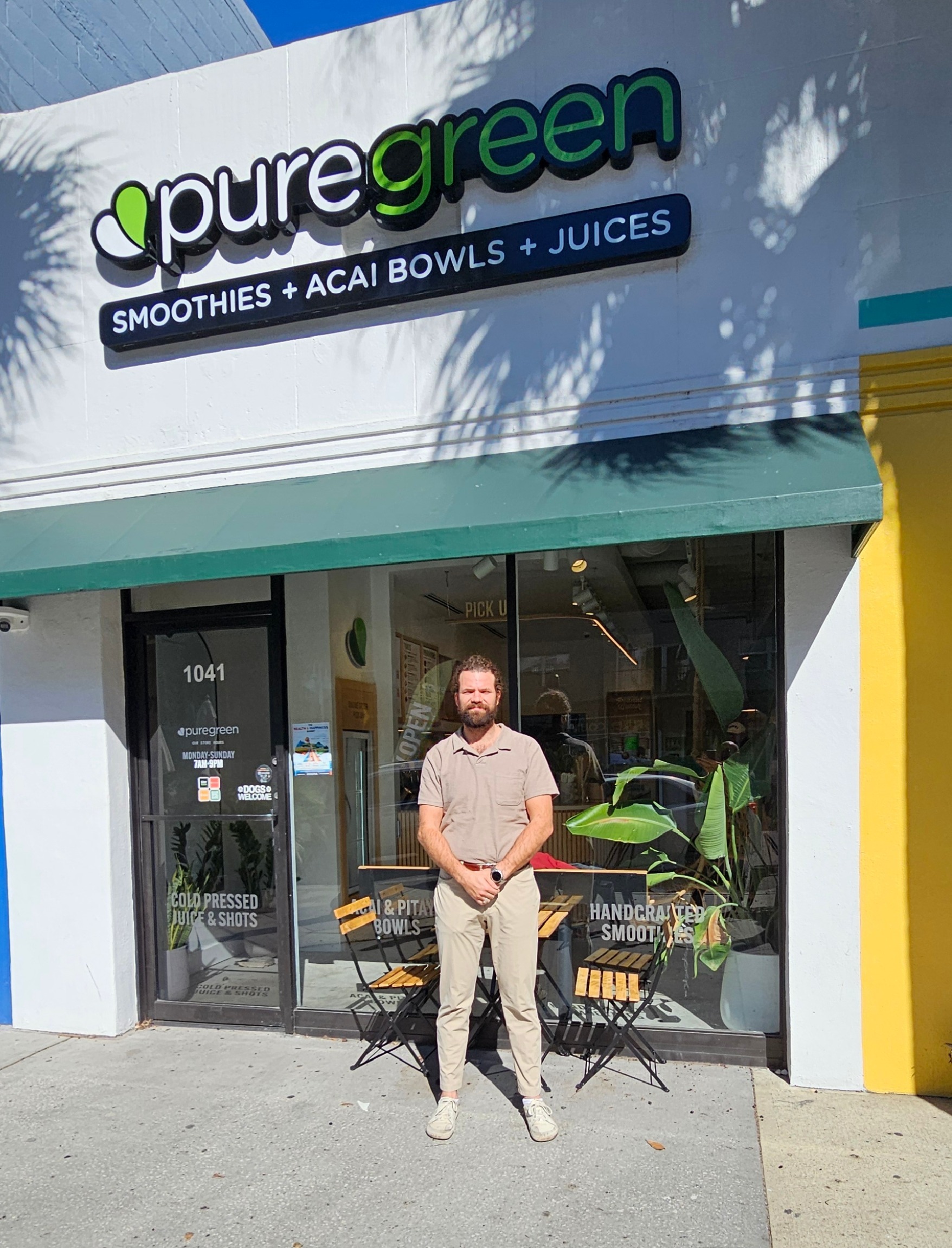 Russell: I would have asked for clearer support structure and chain of command—who handles tech, ops, HR, and what response times should be expected. That first year is stressful because you’re waiting on permits, construction, and timelines you can’t fully control.
I also wish there was more structured sharing from other franchise partners—more of a roadmap for success. I’ve leaned on outside resources a lot: networking, podcasts, YouTube.
Hani: Last one—what myth about franchising do you wish people would stop believing?
Russell: That franchises are “soulless” or that the owner isn’t real. I own this business. I live here. My family works here. I hire locally. I’m part of this community. It’s human.
A franchise can be a platform—but the heart of it still comes from the owner.